UPS on Rent for Logistics Hubs: Ensuring 24×7 Operations Without Power Downtime
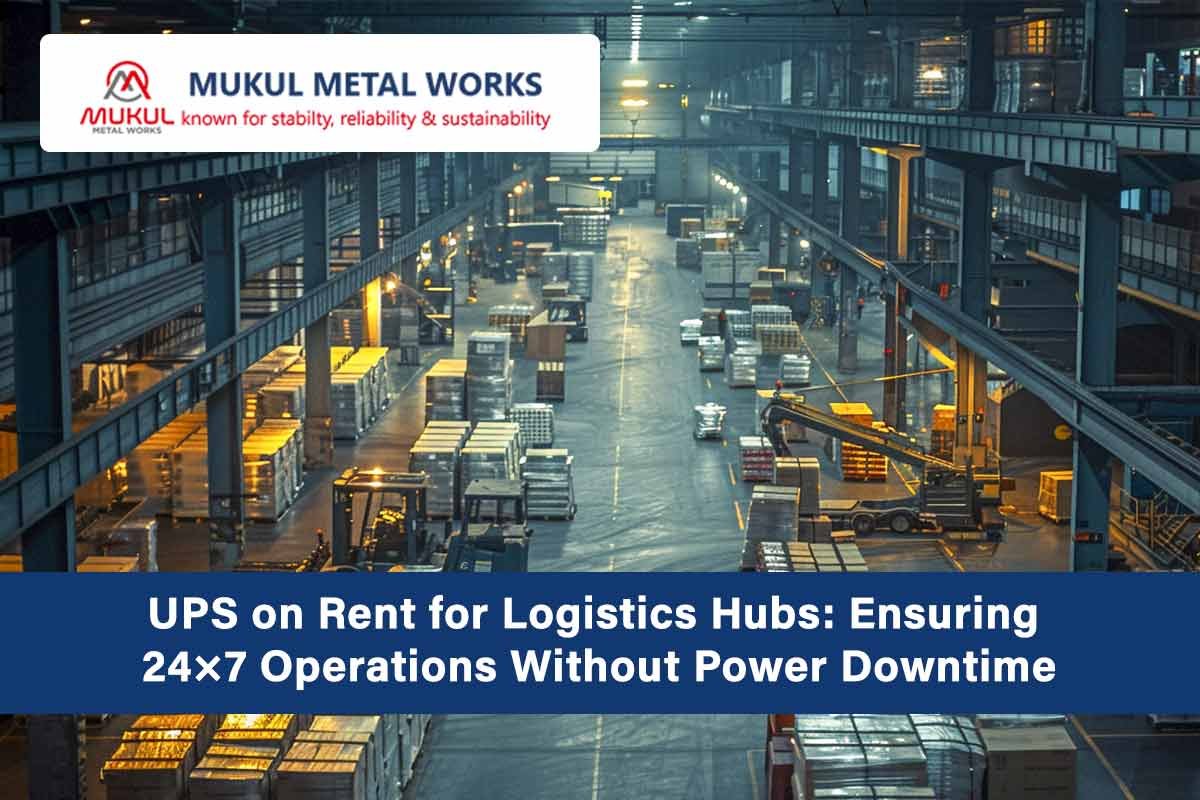
Logistics hubs are the backbone of modern supply chains. From warehouses and distribution centres to fulfilment hubs and transport yards, these facilities operate on tight schedules where even a few minutes of downtime can lead to delays, losses, and customer dissatisfaction. In such environments, uninterrupted power supply is not optional—it is critical.
As logistics operations become increasingly technology-driven, the demand for UPS on rent for logistics hubs has grown steadily. Reliable power backup ensures continuity, data protection, and operational efficiency, even during power failures or voltage fluctuations.
Why Power Reliability Is Critical in Logistics Operations
Logistics hubs operate around the clock, handling inventory movement, tracking, dispatch, and coordination across multiple systems. Power disruptions can bring operations to a standstill.
Critical systems that depend on continuous power include:
- Warehouse Management Systems (WMS)
- Barcode scanners and RFID systems
- Servers and networking equipment
- CCTV and security systems
- Automated sorting and conveyor systems
- Control rooms and monitoring stations
A sudden power cut can interrupt workflows, corrupt data, and delay shipments—impacting both operational costs and brand reputation.
Common Power Challenges Faced by Logistics Hubs
Logistics facilities are often located on the outskirts of cities, industrial zones, or highway corridors. These locations frequently face power-related challenges such as:
- Voltage fluctuations due to heavy industrial load
- Unscheduled power outages
- Delayed generator startup
- Overloaded electrical infrastructure during peak hours
For facilities handling time-sensitive goods, even short disruptions can have cascading effects across the supply chain.
Why Generators Alone Are Not Sufficient
Generators are widely used in logistics hubs, but they are not designed to handle instantaneous power requirements. There is always a short delay between power failure and generator startup.
During this gap:
- Servers can shut down abruptly
- Network connections can drop
- Data processing can be interrupted
- Security systems may go offline
A UPS bridges this gap by providing instant power backup, ensuring seamless transition until generators take over or main power is restored.
The Role of UPS in Logistics Infrastructure
A UPS (Uninterruptible Power Supply) ensures that critical systems continue to operate without interruption during power failures or voltage instability.
In logistics hubs, UPS systems are commonly deployed to protect:
- IT infrastructure and data centres
- Control panels and automation systems
- Communication networks
- Security and surveillance equipment
- Access control and monitoring systems
By maintaining stable power, UPS systems help logistics operations remain functional and secure at all times.
Why Renting a UPS Is a Practical Solution for Logistics Hubs
Logistics operations often experience changing power requirements due to expansion, seasonal demand, or temporary projects. Purchasing power backup equipment for every scenario may not be cost-effective.
UPS rental offers several advantages:
- Flexibility to scale power capacity as needed
- Lower upfront costs
- Access to high-quality, well-maintained equipment
- Professional installation and support
- Easy upgrades or replacements
Renting allows logistics companies to align power backup solutions with operational needs without long-term capital investment.
UPS for Warehouses, Distribution Centres, and Fulfilment Hubs
Different logistics facilities have different power priorities.
Warehouses
UPS systems protect inventory management systems, scanners, and security infrastructure.
Distribution Centres
Power backup ensures uninterrupted operation of sorting systems, dispatch software, and control rooms.
E-commerce Fulfilment Hubs
High-speed operations depend on continuous power for automation, servers, and real-time tracking systems.
In each case, UPS systems ensure continuity and data integrity.
Importance of Load Assessment and Backup Planning
Effective UPS deployment starts with accurate load assessment. Underestimating power requirements can lead to system overload, while overestimating increases costs unnecessarily.
Professional UPS planning includes:
- Identifying critical and non-critical loads
- Calculating total power consumption
- Determining required backup duration
- Planning redundancy for mission-critical systems
This structured approach ensures reliable performance during outages.
The Value of Experience in Logistics Power Backup
Power backup for logistics hubs differs significantly from office or residential setups. The scale, complexity, and criticality of operations demand specialised expertise.
Experienced providers understand:
- Industrial power environments
- Continuous operation requirements
- Integration with generators and grid supply
- Compliance with safety and operational standards
With decades of experience in power backup and UPS rental services, Mukul Metal Works has supported logistics and industrial operations where reliability and uptime are essential.
How Professional UPS Providers Support Logistics Operations
Established UPS rental providers offer end-to-end support rather than just equipment delivery.
Their role often includes:
- Site inspection and infrastructure evaluation
- Custom UPS configuration design
- Safe installation and cabling
- Coordination with facility engineers
- On-site technical support and monitoring
This ensures that UPS systems integrate seamlessly into existing operations without disruption.
UPS and SMF Batteries for Extended Backup
Logistics hubs often require longer backup durations, especially during night operations or in areas with frequent outages. UPS systems paired with SMF (Sealed Maintenance Free) batteries provide:
- Extended runtime
- Stable voltage output
- Maintenance-free operation
- Safe indoor installation
Such configurations are well-suited for control rooms, server areas, and security systems.
Preventing Data Loss and Operational Delays
Data integrity is critical in logistics operations. Power failures can result in corrupted files, incomplete transactions, and loss of tracking data.
Reliable UPS systems help:
- Protect servers and databases
- Ensure smooth shutdown during extended outages
- Maintain network connectivity
- Prevent operational bottlenecks
This directly contributes to efficiency and reliability across the supply chain.
Choosing the Right UPS Rental Partner for Logistics Hubs
When selecting a UPS rental provider, logistics companies should consider:
- Experience with industrial and logistics environments
- Availability of scalable UPS solutions
- Quality and reliability of batteries and equipment
- Technical support capabilities
- Proven track record of uptime assurance
An experienced partner reduces risk and ensures continuity.
Conclusion
Logistics hubs operate in a high-pressure environment where downtime is costly and disruptive. Reliable power backup plays a crucial role in maintaining operational continuity, data security, and overall efficiency.
By opting for professionally planned UPS rental solutions, logistics operators can safeguard their facilities against power disruptions. With long-standing expertise in power backup services, organisations like Mukul Metal Works continue to support logistics hubs by ensuring that power reliability remains consistent—allowing supply chains to move without interruption.